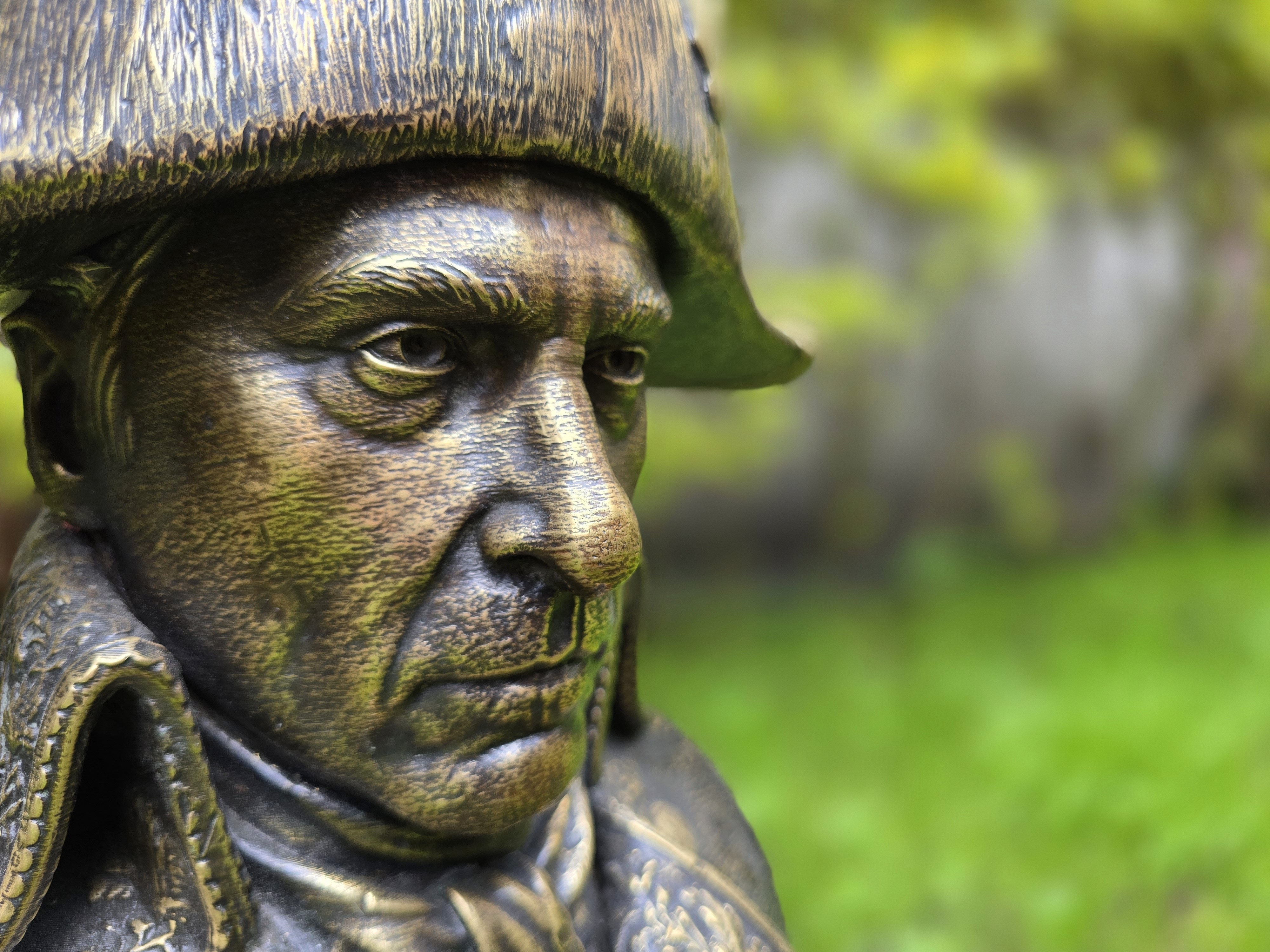
1. The Challenge of Lost Blueprints
In the world of industrial restoration, whether refurbishing an old marine vessel, restoring a classic car, or maintaining historical machinery, the biggest obstacle is often the lack of documentation. Original blueprints are lost, destroyed, or simply become illegible after decades of storage. When a critical bronze component fails, there is often no catalog number to request a replacement. The part must be recreated from scratch, often from a broken, worn, or incomplete physical fragment.
Traditionally, this required a master modeler to take manual measurements with calipers and gauges. This process was slow, prone to human error, and incredibly difficult when dealing with complex organic curves or irregular wear patterns. If the original part was split in half or deformed by heat and stress, manually extrapolating the original dimensions was a guessing game that often resulted in poor fit and material waste.
At Arteico, we solve this fundamental problem through high-fidelity 3D scanning. Instead of relying on manual tools, we use industrial-grade scanners to capture millions of data points of the physical object in seconds. This creates an accurate "digital twin" of the component, capturing every curve, bolt hole, and surface nuance with micrometric precision. This non-contact method allows us to digitize even the most fragile or damaged artifacts without the risk of further damaging the original.
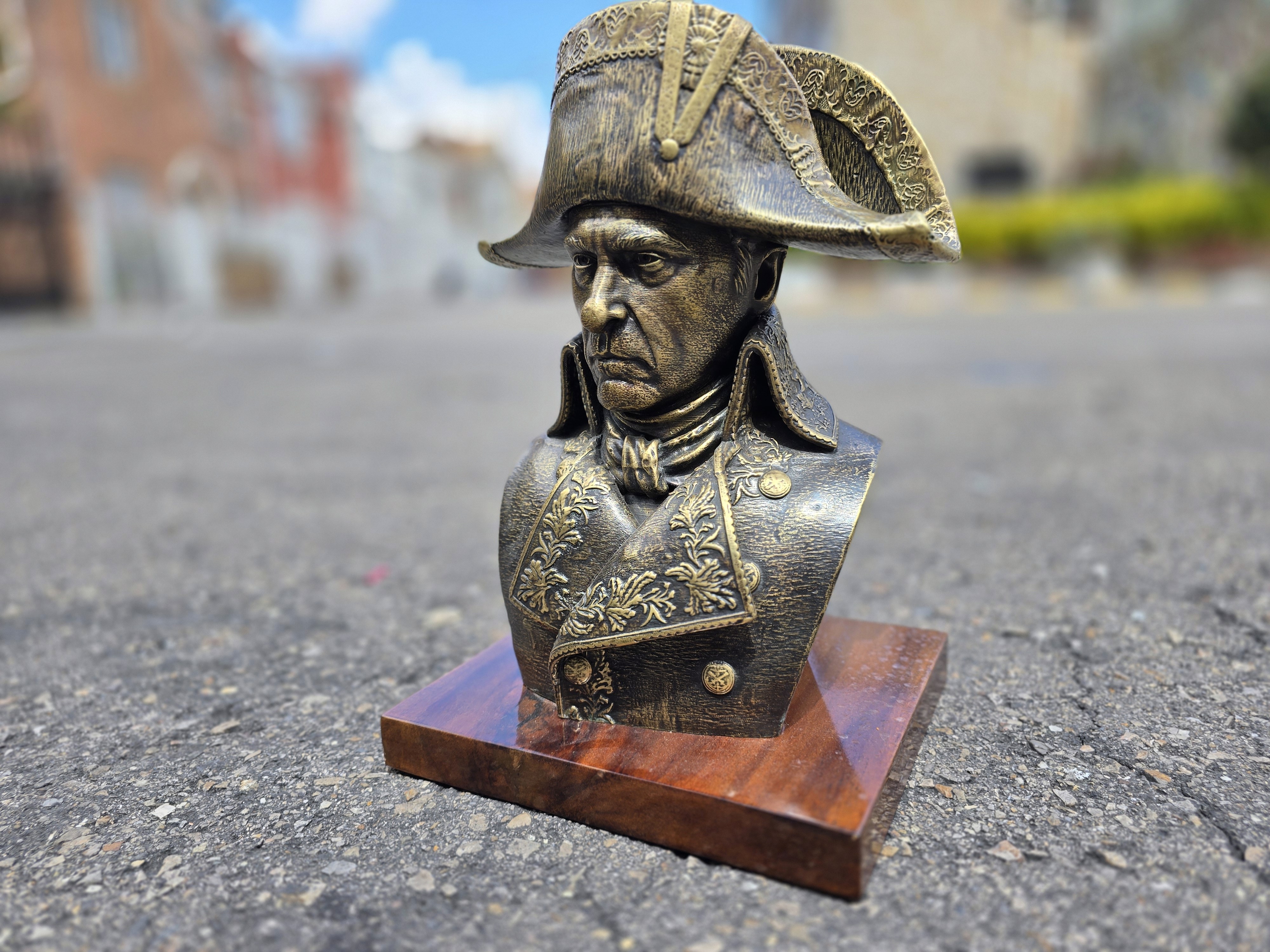
2. Digital Repair and Optimization
Once the object is digitized, the true power of reverse engineering begins. A raw 3D scan is often an exact replica of the current state of the part, including the cracks, corrosion, and wear that caused its failure. We don't just want to copy the damage; we want to restore the component to its original state, as if it just came off the factory floor.
Using advanced CAD (Computer-Aided Design) software and digital sculpting, our engineers "clean" the scan data. We can digitally weld cracks, repair worn bearings, sharpen eroded edges, and ensure mounting holes are perfectly circular and aligned again. We can even modify the design to improve performance, such as thickening a weak wall or adding reinforcing ribs, effectively optimizing the engineering of a century-old part even before it reaches the foundry.
3. Return to Solid Bronze
With the digital file completely restored and optimized, we return from the virtual world to the physical. We use large-size 3D printers to produce a casting pattern in PMMA or specialized wax. This printed pattern is a physical manifestation of the restored digital file, ready for the lost-wax casting process. Unlike traditional machining, which generates waste, this additive process is highly efficient and allows for complex internal geometries that traditional machining cannot achieve.
The final stage is the casting of the component in high-quality bronze. We select specific bronze alloys depending on the function of the piece, whether it needs high tensile strength for structural support or corrosion resistance for a marine fitting. The molten bronze fills the ceramic shell created around our 3D-printed pattern, solidifying into a dense and durable metal piece that retains all the precision of the digital engineering phase.
The result is a replacement part that is often superior to the original. It fits perfectly because it is based on accurate data, but it retains the durability and aesthetic beauty of traditional cast bronze. By combining 3D scanning with bronze casting, we ensure that past machinery and vehicles are not only preserved in museums but also remain functional and alive for future generations.