1. Design with Algorithms
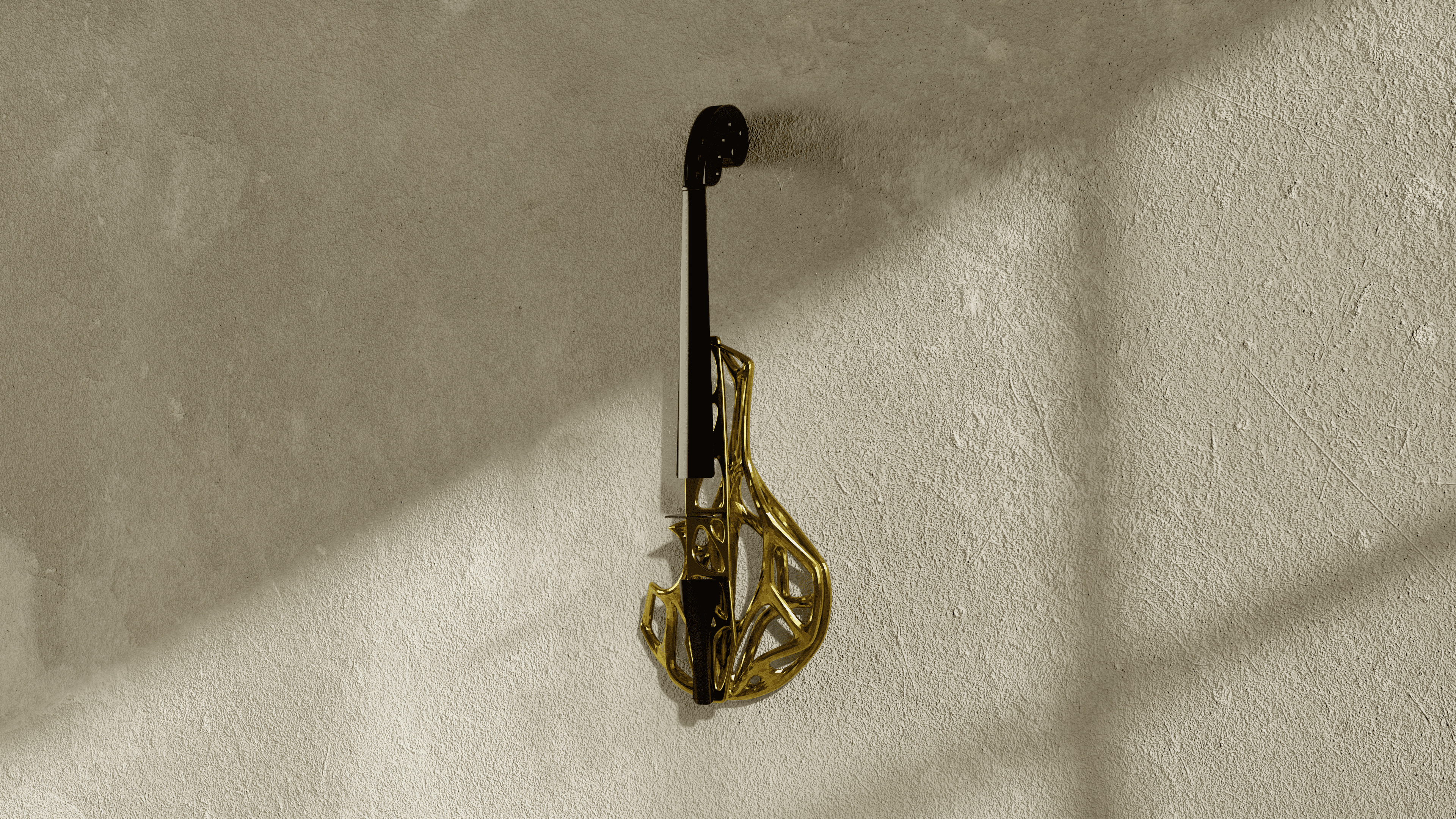
The most significant advance in modern industrial design is not a new material, but a new way of thinking. For centuries, engineers and artists designed objects based on human intuition and primitive geometries: squares, circles, and straight lines. We built things that were easy to draw and fabricate. Today, Generative Design has broken those limitations. By introducing objectives and constraints into advanced AI-based software, such as load requirements, weight limits, or types of materials, we allow algorithms to develop a solution instead of simply drawing it.
This process mimics billions of years of natural evolution in a matter of hours. The software tests thousands of iterations, removing material where not needed and reinforcing areas of high tension. The result is often an object with a distinctly organic appearance, similar to bone structures, cell networks, or tree roots. These forms are not only aesthetically striking but are mathematically optimized to be lighter and stronger than anything a human designer could intuitively conceive.
However, these alien organic shapes present a serious problem for the physical world. While they exist perfectly on a computer screen, they are often considered "unmanufacturable." The complex internal cavities and variable wall thicknesses that make them so efficient also make them impossible to machine with a CNC mill or cast with a traditional two-piece mold. This is where the digital file often fails.
2. The Manufacturing Paradox
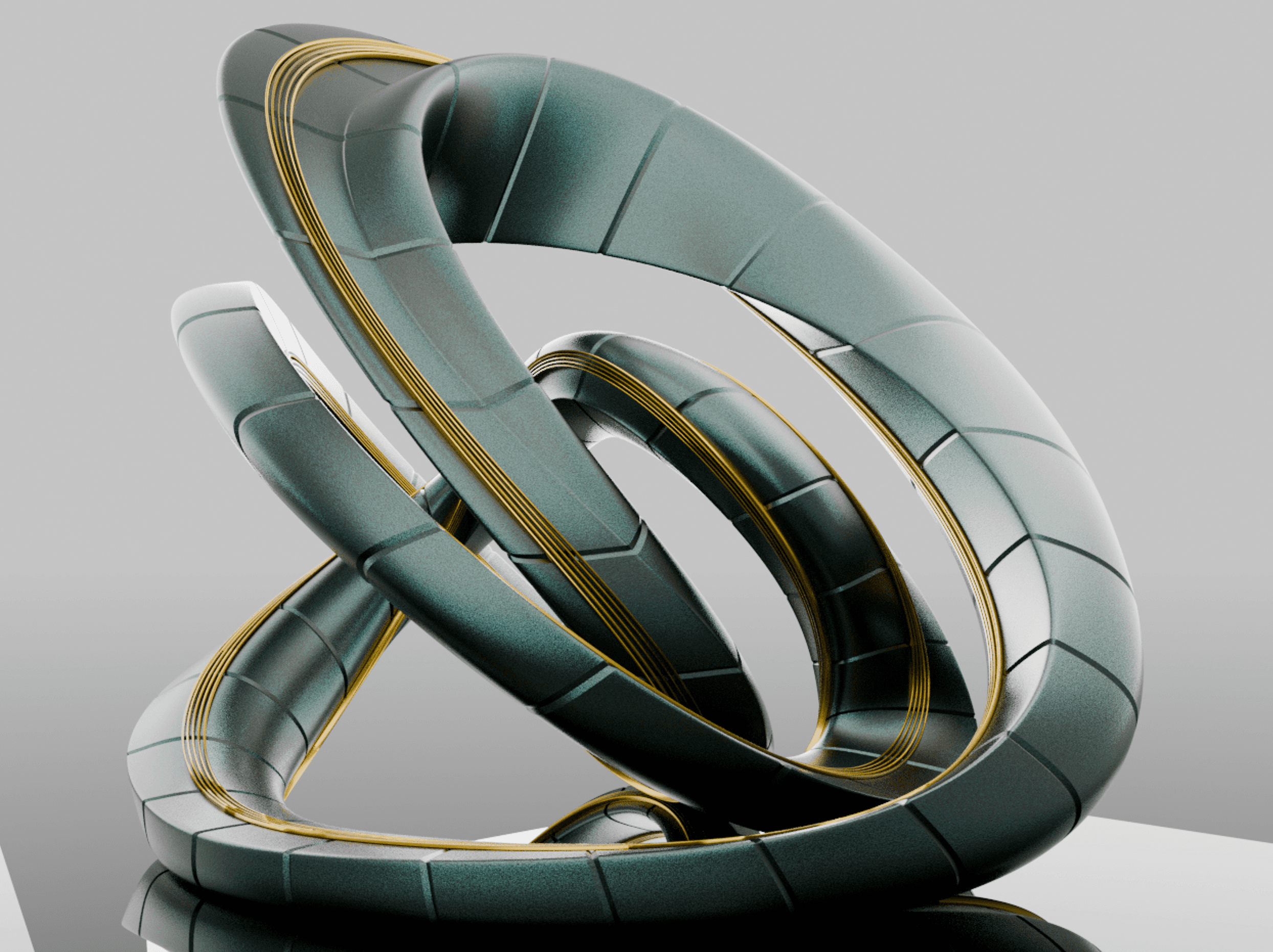
In traditional manufacturing, complexity equals cost. If you want to create a solid block, it is cheap. If you want to carve a complex lattice structure with internal supports, it becomes exponentially expensive or physically impossible. A CNC machine cannot reach the corners to hollow out a shape, and a traditional mold maker cannot separate a rigid mold from a complex network of interlocking struts without destroying the pattern.
For years, generative design was trapped in the realm of plastic prototypes. Designers could print their complex algorithms in fragile polymers, but they could not produce them in durable, high-value materials like metal. The geometry was simply too intricate for casting. The industry faced a paradox: we had the software to design the future, but only the hardware to manufacture the past.
Arteico, the Solution
At Arteico, we solve this paradox by combining high-resolution 3D printing with lost-wax casting. Since we print the positive pattern with moldable materials intended to be burned out, we are not limited by tool paths or parting lines. We can print a complex and generative lattice structure as a single, continuous object. The ceramic shell paste flows through every space of this print, perfectly capturing the "impossible" geometry before pouring in the bronze.
This capability opens new doors for high-end architecture and industrial design. Now we can produce bronze structural nodes for modern furniture that look like liquid metal frozen in time, or architectural supports that use 40% less material than a solid block but support the same weight. These are functional and robust objects that possess a beauty previously only seen in nature.
The result is a fascinating hybrid object: a structure born of futuristic code, materialized in eternal bronze. It creates a visual tension that captivates the imagination: the warmth and weight of an ancient alloy express the cold logic of an algorithm. We are no longer simply casting statues; we are casting the pure mathematics of efficiency.