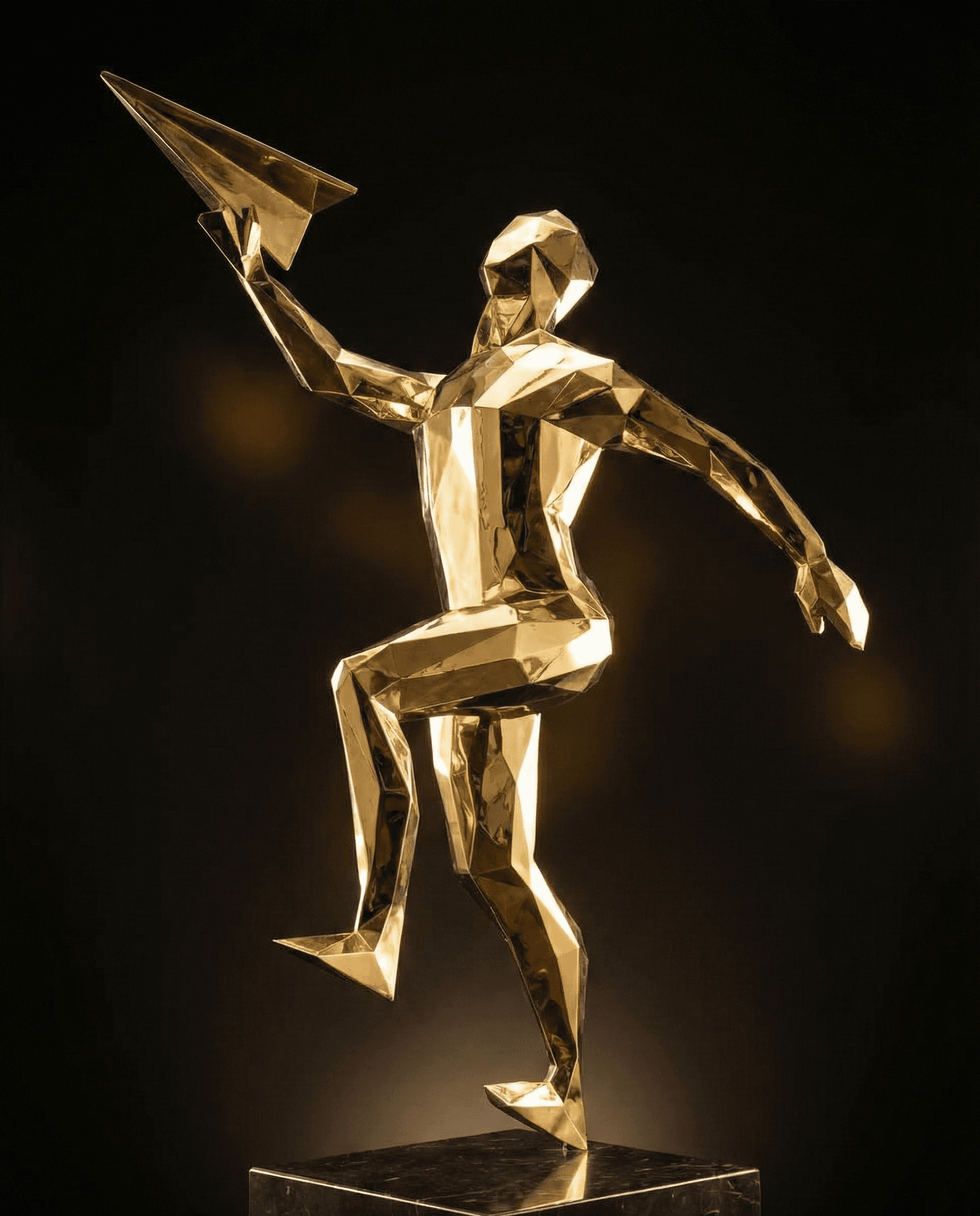
1. The end of the shipping box
For centuries, the relationship between a sculptor and their foundry was determined by geography. An artist had to live near the industrial district where the furnaces were located or risk sending fragile and heavy clay originals across oceans. This logistical barrier frustrated countless international collaborations. If a clay model arrived cracked or melted due to temperature changes in the cargo hold, months of work were lost in an instant. The risk and cost of transport kept the art scene localized.
Today, the "Digital Foundry" has broken down these borders. At Arteico, we work with artists from London, New York, and Tokyo without them even needing to set foot in our facilities. The currency of exchange in our collaboration is no longer physical matter; it is data. An artist can scan a small model in their home studio or sculpt entirely in Virtual Reality (VR) and instantly send us the STL or OBJ file via the cloud.
This change transforms the artist's studio into a global command center. They can focus exclusively on the creative act—the form, the gesture, the emotion—while we take care of the physics of remote production. The anxiety of sending a physical original is replaced by the security of a digital backup. If a file gets corrupted, it is resent. If a physical model breaks during transport, it is lost forever. We have replaced risk with reliability.
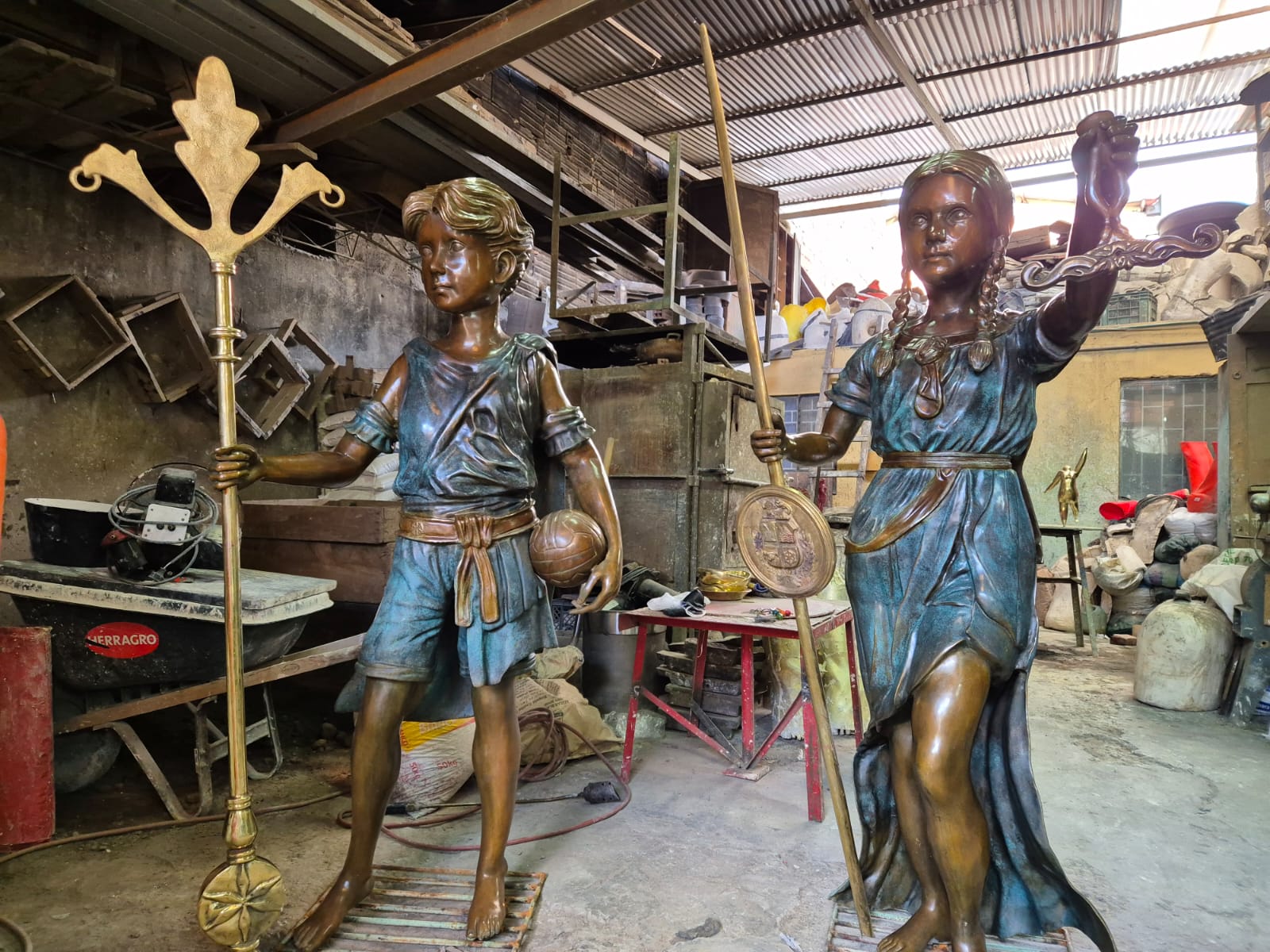
2. Remote intimacy and control
One of the greatest fears artists have about remote production is the loss of control. How can they ensure the texture is correct if they are not there to touch the wax? We solve this problem through high-fidelity digital communication. Before printing the casting pattern, we share high-resolution renders that simulate the bronze, allowing the artist to approve surface details with millimeter precision.
During the physical stages (welding, chiseling, and patina), we use video conferencing so the artist is virtually in the foundry. We can hold the piece against the light, show how the patina reacts to water, and make real-time adjustments based on their suggestions. "Darken that shadow" or "polish that light more." Technology allows "remote intimacy" where the artist directs the hands of our master craftsmen as if they were next to them.
3. Direct shipment of the masterpiece
The final advantage of this workflow is logistics. In the traditional model, a foundry sent the bronze back to the artist, who in turn sent it to a gallery or collector, doubling shipping costs and the carbon footprint. As we are a full-service production partner, we can send the finished bronze directly to its final destination anywhere in the world.
We take care of custom packaging, international export documentation, and logistics. An artist in Berlin can sell a piece to a collector in Miami, and we facilitate the direct transfer from our foundry to the collector's living room. The artist never has to touch the heavy packaging or deal with customs agents.
This capability allows independent artists to operate like multinational corporations. They can expand their business globally without increasing their overhead. Arteico becomes their remote production arm, enabling them to sell and distribute heavy bronze sculptures as easily as selling a digital print.