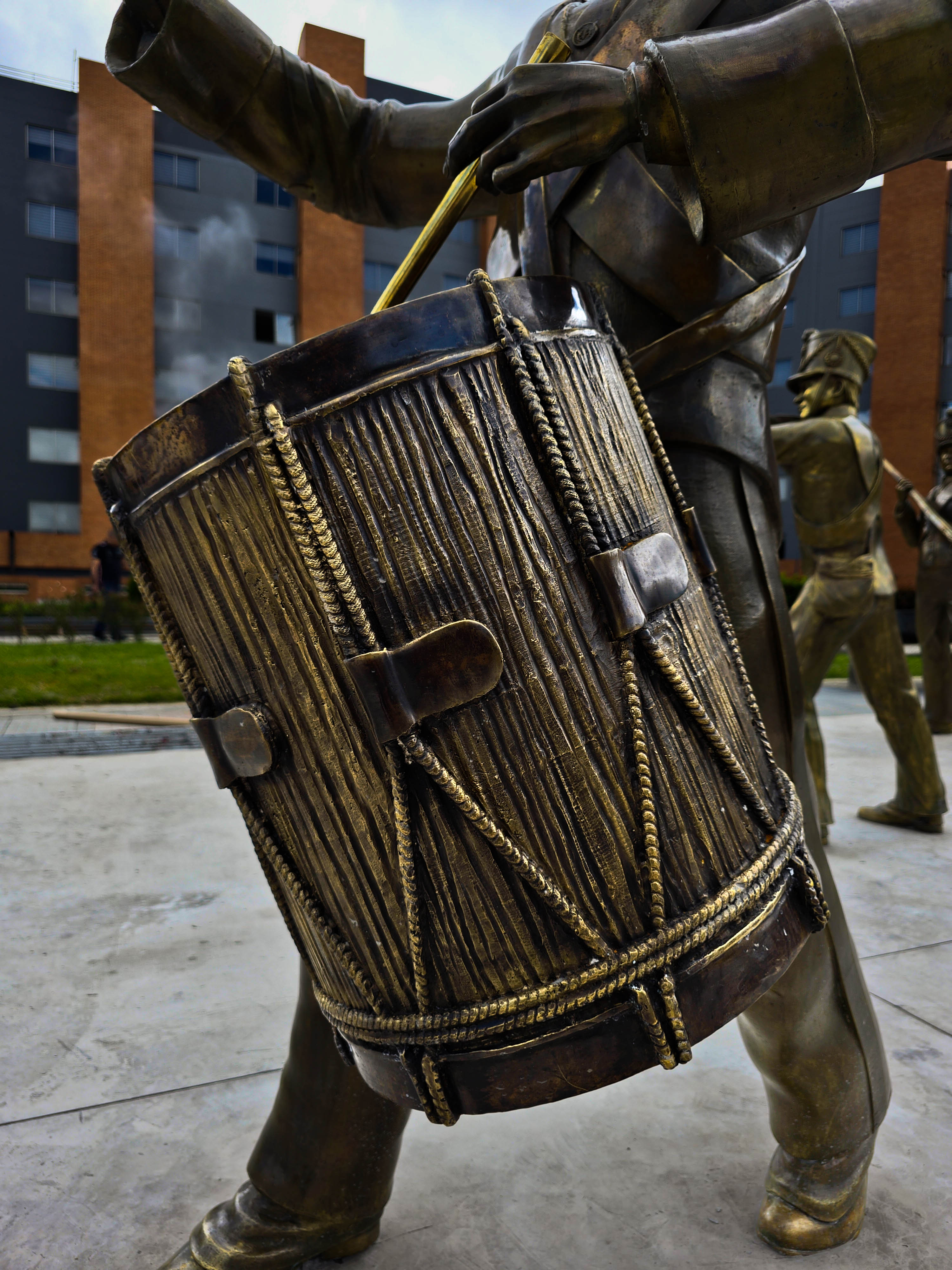
Beyond the Hand-Carved Limit
For more than 5000 years, the bronze casting process remained practically unchanged. An artist meticulously sculpted a model in clay or wax, created a mold, and then poured the molten metal. While this traditional method has a long history, it is inherently limited by the limitations of the human hand and molding physics. If a sculptor could not shape it with tools or if a mold could not be removed without breaking the model, the design simply could not be cast.
At Arteico, we have initiated the era of "Digital Foundry." We have replaced the initial stage of manual sculpting with high-fidelity digital engineering. This does not mean we have abandoned the art of the craft; rather, we have expanded its boundaries. Starting with a digital file, we eliminate the physical limitations of gravity and material resistance that affect traditional sculpture, allowing for a level of precision previously unattainable.
This change represents a fundamental transformation in the logic of manufacturing. Instead of a linear and laborious process where an error in the clay model could delay a project for weeks, our digital workflow allows for quick iteration. We can adjust a design, scale it, or modify the surface texture in a digital environment instantly, thus ensuring that the physical casting process only begins when the design is mathematically perfect.
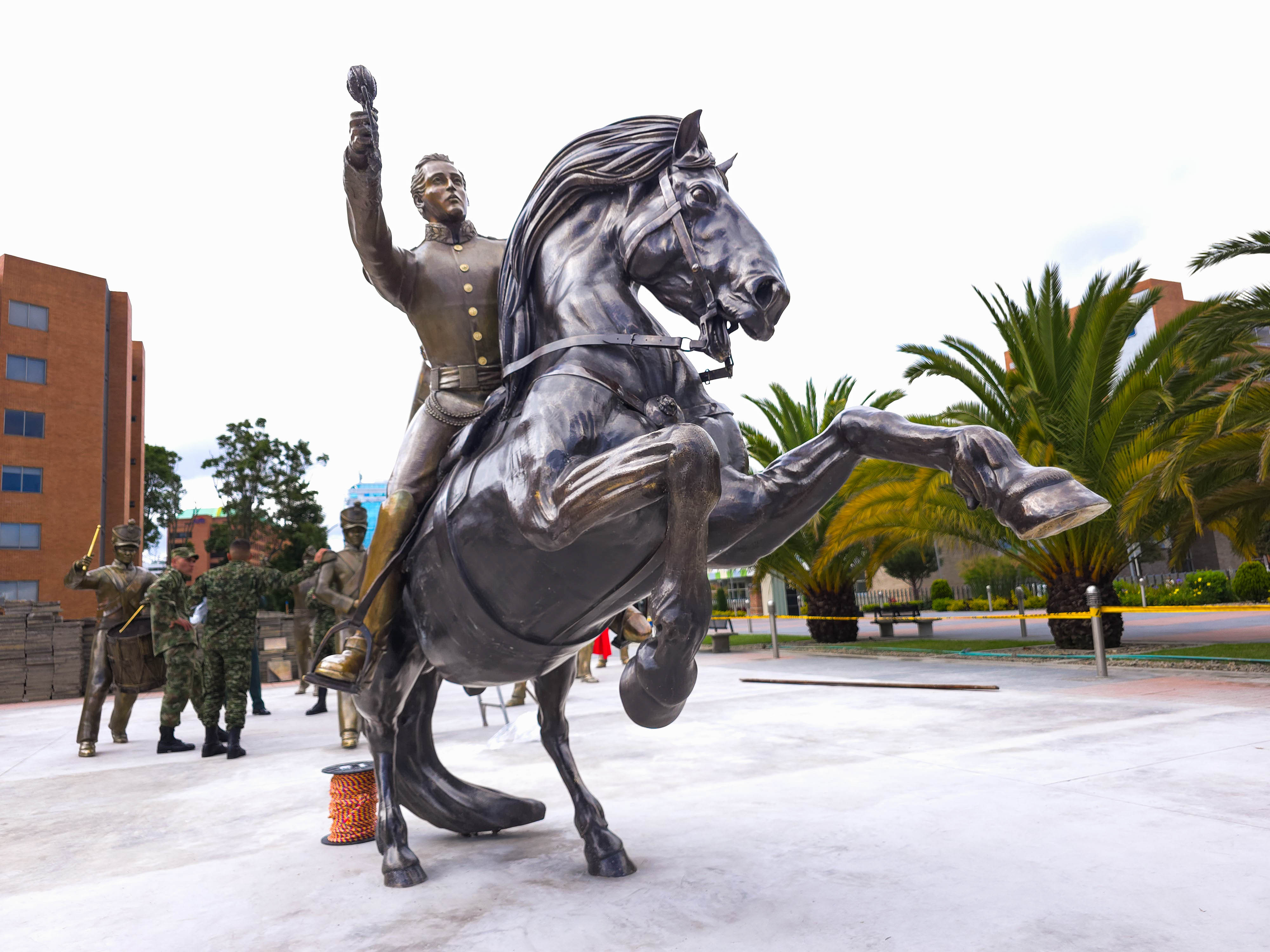
2. The End of "Impossible" Geometries
The greatest advantage of integrating 3D printing into the casting workflow is the ability to ignore the rules of traditional molding. In standard casting, undercut areas must always be considered, meaning areas where the mold would get stuck when attempting to remove it from the model. This limitation has historically forced designers to simplify their shapes or cut their models into dozens of smaller pieces to reassemble them later.
Our process uses advanced 3D printing with moldable PMMA and specialized waxes designed to completely vaporize. We print the pattern directly, coat it with a ceramic shell, and burn it out. Since the pattern disappears, we never have to remove the mold. This allows us to cast complex lattice structures, intertwined organic shapes, and deep internal cavities that would be physically impossible to reproduce with traditional rubber or plaster molds.
3. Speed, Scale, and the Future of Metal
Beyond geometric freedom, Digital Foundry offers an unprecedented advantage in terms of speed and scalability. Traditional large-scale bronze projects often require months of manual enlargement, where a team of artisans manually scales up a small model. We avoid this entirely by digitally slicing a high-resolution model into printable sections. Whether the final piece is a desktop prototype or a 5-meter monument, fidelity to the original design is absolute.
This efficiency translates directly into the industrial and architectural sectors. We can go from a CAD file to a finished bronze component in much less time than with traditional methods. This rapid delivery is essential for modern construction schedules and product development cycles, where waiting months for a metal prototype is no longer an option.
In short, Arteico does not replace the soul of foundry; it evolves it. We combine the ancient and visceral power of molten bronze with the precision of modern engineering. The result is a product that retains the timeless weight and permanence of metal, but with a complexity and precision that clearly belongs to the future.